Researcher | Strategist | Practitioner
Hello, my name’s Olawale C. Olawore.I’m Data Journalist.



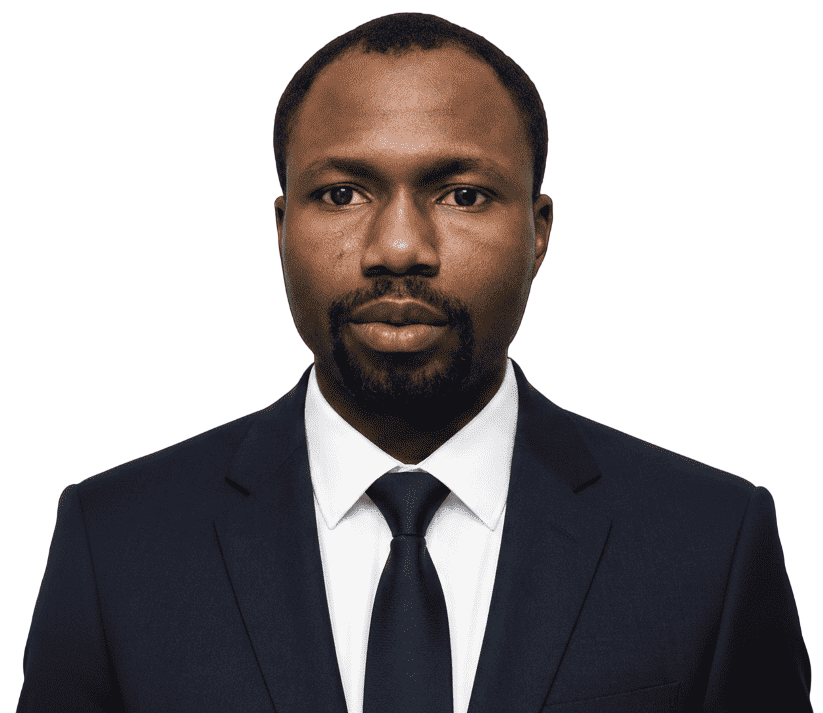
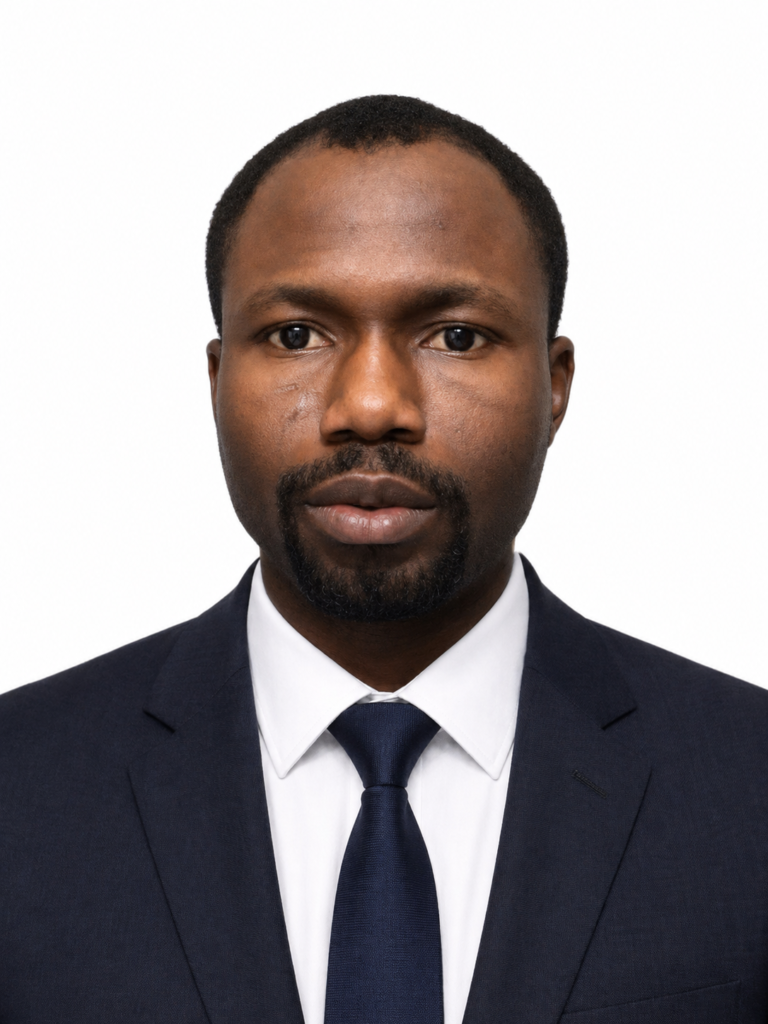
Olawale C. Olawore
My name is Olawale C. Olawore.
An experience at my workplace made me change the way I think about how decisions are made. We needed to make a pricing decision, but some of the information required arrived late. The decision had to be delayed.
It did not seem like a major event at the time, but I kept thinking about it afterwards. The issue still needed to be sorted out, but we could not move forward until we had the information we needed.
I realised then that it is hard to decide what to do when important details are missing.
As time went on, I realised that this was not a one-off. Sometimes our plans changed, and we had to work out what to do next. There were times when they decided to wait. This was because waiting longer sometimes made the situation more difficult.
I take my time to think carefully before making a decision. There was a times when things did not turn out as I had hoped, but that did not always mean I had made the wrong decision. At times, I wonder how organisations make decisions during periods of uncertainty.
My professional background is in business, digital marketing, and strategy. Over the years, I have seen how organisations adjust to changes in the marketplace, deal with unexpected challenges, and revise plans when things do not go as expected.
Sometimes, we got a different result from what we expected. Sometimes, the outcome did not show how much thought and effort people had put into the decision or how uncertain they had been at the time. Sometimes I gave a decision a lot of thought, but things still did not turn out the way I had hoped. At times, things turn out well even though the decision itself was poorly made.
I became more interested in why people made some certain decisions than in how those decisions turned out.
These experiences led me to develop an interest in economics, management and organisational decision-making. I came to realise that many different things can influence a decision, sometimes over a long period of time. I realised that people often make up their minds over time, after talking things through, moving away from one option, considering another and making several compromises.
The information available at the time can influence the decision. Past experience, time pressure, possible risks, and other people’s opinions can also influence the decisions we make. In many situations, the person making the final call has to consider everything, even though they cannot be sure what will happen next.
I am currently working towards my second master’s degree at Boston University, where I am studying Financial Management and Artificial Intelligence. Before starting this programme, I completed an MBA at the University of the People. I also earned a bachelor’s degree in Business Management from the American University of Humanitarians in Tbilisi, Georgia.
I completed my MBA online, where I studied with people from different countries and a wide range of professional backgrounds. As others shared their opinions, I began to notice that there was more than one possible solution to a problem within an organisation.
What people notice, care about and see as risky often depends on their background and experience. This sparked my interest in how companies call the shots when markets and global business are constantly colliding.
Alongside my studies, I am the Managing Director of Channel of Blessing CIC in the United Kingdom and a member of its Board of Trustees.
In this position, I managed projects directly, kept sight of the bigger picture and made important decisions when needed. In this role, I worked directly on projects, kept an eye on the overall direction and made key decisions when necessary.
There may be a lack of resources, conflicting priorities, and folks who are unsure of what to do next. When no one is quite sure what to do, a leader needs to hear people out and make the next call.
When it is not clear what to do, a leader should listen to others before deciding the next step. These areas are of interest to me because I want to understand how people and organisations make good decisions under pressure, when risks are involved, or when they are going through change.
For my doctoral study, I want to examine what happens when supply chains fail, how businesses plan for the future, how economies affect one another and how AI influences business decisions.
I want to know and understand how organisations use AI when they do not have all the facts and the situation keeps changing.
AI can go through large amounts of data, spot patterns and make predictions much faster than a person. This can be helpful when an organisation is dealing with a difficult problem or needs to respond quickly. However, receiving an answer quickly does not mean that the answer is correct.
Even when AI gives us a recommendation, we still need to check and verify the data because it can sometimes provide false or inaccurate information. We also need to think about what could go wrong and how following an AI recommendation might affect us in the future.
AI may suggest a course of action for us, but we still have to decide whether to trust its advice and how much to rely on it.
For that reason, I still believe people should be the ones making the final decision because AI may not understand or think the way as humans do. Technology can provide more information and help people identify things they might have overlooked, but there will always be some uncertainty. It cannot be held responsible for what happens once the decision is put into action.
There are several questions I continue to think about:
How can people get useful advice from AI and still make up their own minds?
How can people make use of AI and still trust their own thinking when making decisions?
How do people respond when an answer from AI goes against what they know from experience?
I hope to look into these questions through my research. I want to know how people decide what to do when there is no obvious answer and what their decisions may mean for businesses, markets and organisations in the long run.